
How to Treat Achilles Tendon Injuries
Achilles tendon injuries affect the strong band connecting your calf muscles to your heel and may cause pain, stiffness, swelling, or a sudden loss of strength. A podiatrist can determine whether the problem is tendinitis, a strain, or a tear, then recommend personalized treatment to support safe, lasting recovery.
What causes Achilles tendon injuries?
The Achilles tendon absorbs significant force whenever you walk, run, jump, or climb stairs. Repeated stress can gradually irritate the tendon, while a sudden movement may overload it and cause an acute injury.
Common contributing factors include:
- Increasing exercise intensity or distance too quickly
- Tight calf muscles or limited ankle flexibility
- Poor conditioning or inadequate recovery between activities
- Wearing unsupportive or inappropriate footwear
- Repetitive impact from running, jumping, or court sports
- Changes in foot mechanics, including overpronation
Age can also influence tendon health. As tendons become less flexible over time, they may be more vulnerable to degeneration and injury. However, Achilles problems can affect people of many ages, including recreational athletes and individuals who are suddenly more active.
What are the symptoms of an Achilles tendon injury?
Symptoms depend on the location and severity of the problem. Achilles tendinitis, also called Achilles tendinopathy, often develops gradually. Pain may begin as mild soreness after activity and become more noticeable during exercise or in the morning.
Possible symptoms include:
- Pain, tenderness, or stiffness along the back of the ankle
- Swelling or thickening of the tendon
- Pain that worsens with running, jumping, or climbing stairs
- A noticeable popping sensation followed by sudden pain
- Difficulty pushing off the foot or standing on your toes
- Bruising or weakness after an acute injury
Pain near the heel may sometimes be confused with other conditions, such as heel pain , plantar fasciitis, or a stress fracture. An accurate evaluation is important because treatment differs for each condition.
How does a podiatrist diagnose Achilles tendon injuries?
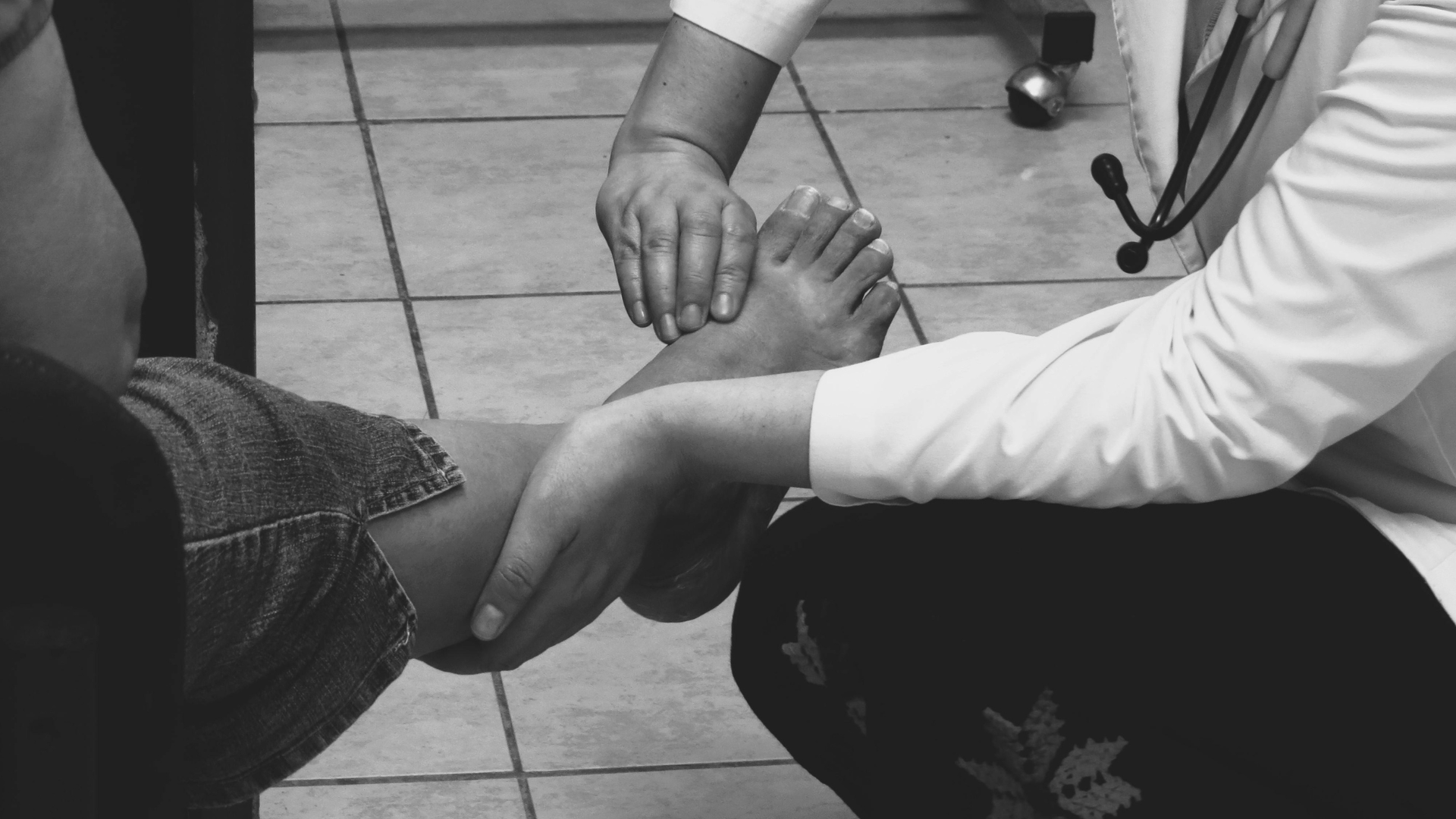
A podiatrist begins with a detailed discussion of your symptoms, activity level, footwear, previous injuries, and the movement that triggered your pain. The physical examination may include checking tenderness, swelling, flexibility, strength, balance, and the way you walk.
Your provider may gently test the tendon and calf to identify weakness or a possible rupture. A gait and biomechanical assessment can reveal alignment or movement patterns that place extra stress on the Achilles tendon. Learn more about related movement evaluation through our gait services.
Imaging is not always necessary, but it may help clarify the diagnosis. Depending on your symptoms, a podiatrist may recommend:
- X-rays: To evaluate bone alignment, heel spurs, or other bone concerns
- Ultrasound: To examine tendon structure and blood flow dynamically
- MRI: To assess partial tears, degeneration, or complex soft-tissue damage
Prompt evaluation is especially important after a sudden pop, severe pain, or inability to walk normally. A complete rupture may require urgent treatment and should not be managed by simply “pushing through” the pain.
What treatments can help an Achilles tendon injury?
Treatment depends on whether the injury is mild, chronic, partially torn, or completely ruptured. Your podiatrist will create a plan based on your symptoms, goals, health history, and daily demands.
Activity modification and protection
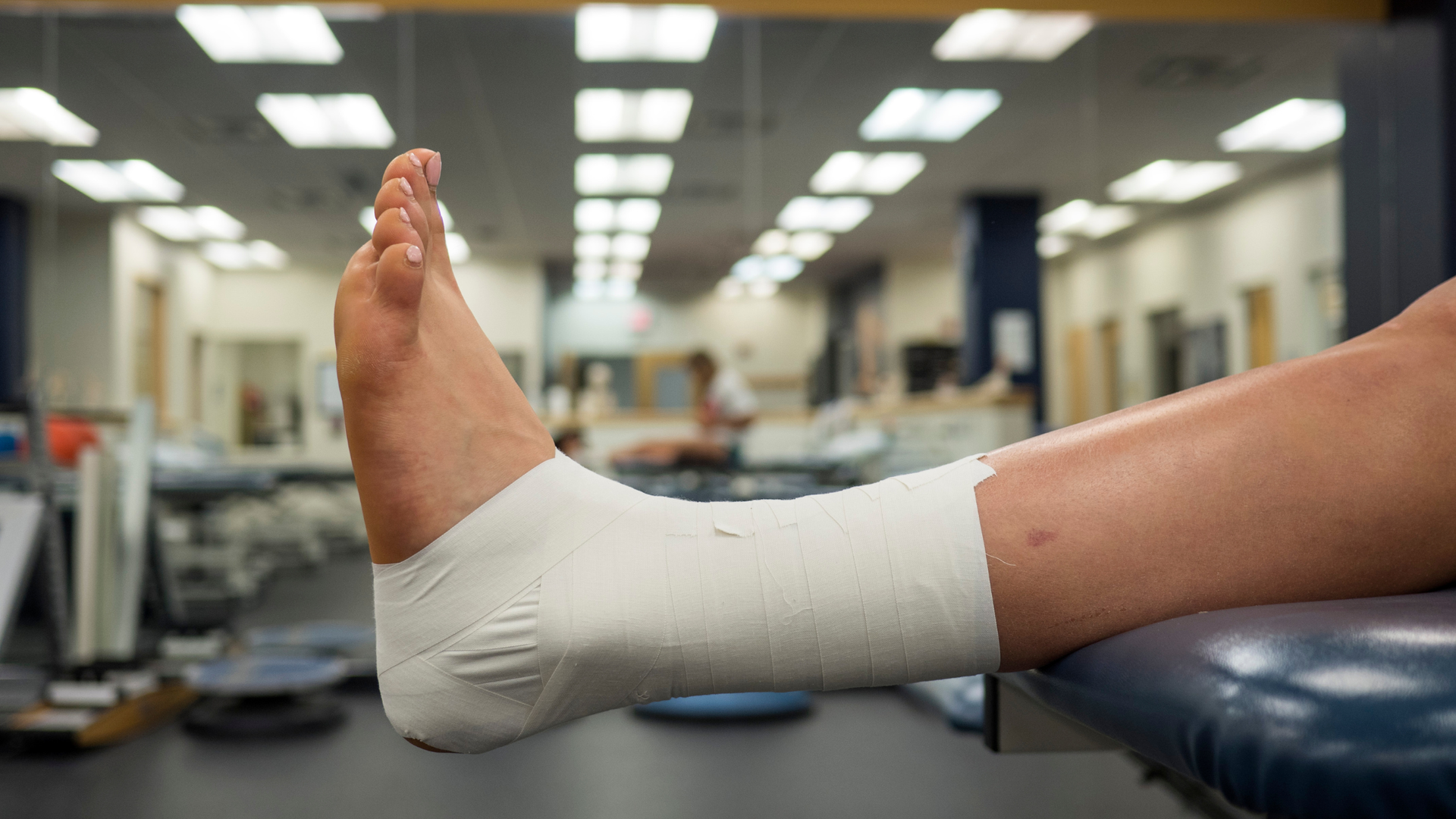
Reducing activities that aggravate the tendon gives irritated tissue an opportunity to recover. You may need to temporarily avoid running, jumping, hills, or high-impact exercise. In some cases, a walking boot, brace, heel lift, or other support may be recommended for short-term protection.
Rest does not always mean complete inactivity. Your provider can help identify safe alternatives, such as low-impact conditioning, while the tendon heals.
Physical therapy and therapeutic exercise
A structured rehabilitation program can improve calf flexibility, tendon strength, balance, and ankle movement. Exercises are typically introduced gradually. Eccentric or progressive resistance exercises may be useful for tendinopathy, but performing them too aggressively can worsen symptoms.
A physical therapist or podiatrist may guide you through:
- Gentle range-of-motion work
- Calf stretching when appropriate
- Progressive heel raises
- Balance and stability training
- Sport-specific return-to-activity exercises
Orthotics and footwear changes
Foot mechanics can affect how force travels through the ankle and Achilles tendon. Custom orthotics or supportive shoes may help improve alignment and distribute pressure more evenly. They are not appropriate for every patient, so an evaluation should come before choosing a device.
Our services include comprehensive foot and ankle care, including biomechanical evaluation and custom orthotics when clinically appropriate.
Medication and other medical options
Depending on your health history, your provider may discuss pain-relief strategies or other conservative options. Do not assume that an over-the-counter medication is safe for you; ask a qualified clinician if you have medical conditions, take other medicines, or are unsure about dosing.
Some persistent cases may require additional treatments. Your podiatrist will explain the potential benefits, limitations, and risks of each option rather than using a one-size-fits-all approach.
When is surgery considered?
Many Achilles tendon injuries improve with appropriate nonsurgical care. Surgery may be considered for a complete rupture, a significant tear, or persistent symptoms that do not respond to a well-managed conservative treatment plan.
The decision depends on factors such as:
- The location and size of the tear
- Your age, health, and activity goals
- How long symptoms have been present
- Your response to immobilization and rehabilitation
- The risks and expected recovery associated with a procedure
A podiatrist can help coordinate timely care and refer you to an appropriate surgical specialist when necessary. Early evaluation may expand your treatment options and reduce the chance of compensating with other parts of the foot or leg.
How long does Achilles tendon recovery take?
Recovery varies widely. Mild irritation may improve over several weeks with activity changes and guided rehabilitation. More advanced tendinopathy, partial tears, or complete ruptures may require several months of treatment and a gradual return to sport.
The timeline depends on the injury’s severity, how long symptoms were present before treatment, your overall health, and how consistently you follow the rehabilitation plan. Pain reduction does not always mean the tendon is ready for full activity. Returning too soon can trigger reinjury.
A safe progression usually moves from normal walking, to low-impact activity, to strengthening, and finally to running or sport-specific movements. Your clinician should determine when each stage is appropriate.
How can you prevent another Achilles injury?
Prevention focuses on managing load and improving the factors that influence tendon stress. Helpful habits include:
- Increase exercise intensity gradually
- Warm up before strenuous activity
- Strengthen the calves and supporting leg muscles
- Replace worn athletic shoes
- Include recovery days in your training schedule
- Address recurring pain before it becomes severe
If you participate in sports, our information about sports injuries may help you recognize related problems and understand when professional evaluation is appropriate.
When should you see a podiatrist?
Schedule an evaluation for persistent Achilles pain, swelling, morning stiffness, recurring symptoms, or pain that limits walking and exercise. Seek prompt medical attention after a sudden pop, severe pain, rapid swelling, bruising, or an inability to push off the foot.
Avoid stretching forcefully or returning to intense activity before the injury has been assessed. Continuing to train through significant pain can turn a manageable problem into a more serious tear.
Frequently asked questions
Can Achilles tendonitis heal on its own?
Mild symptoms may improve with reduced activity and appropriate home care, but persistent or recurring pain deserves professional evaluation. Without addressing contributing factors, symptoms may continue or return.
Is walking good for an Achilles tendon injury?
Gentle walking may be appropriate for some mild injuries, but it can worsen others. Follow the activity recommendations provided after your examination, particularly if you have weakness, swelling, or difficulty walking.
Can I exercise with Achilles pain?
Avoid activities that increase pain during exercise or leave you more sore afterward. A podiatrist can recommend safer alternatives and a gradual progression based on your diagnosis.
What is the difference between Achilles tendinitis and a tear?
Tendinitis or tendinopathy generally involves irritation or degeneration that often develops gradually. A tear may be partial or complete and can occur suddenly, sometimes with a pop and immediate weakness. Examination and, when needed, imaging can distinguish them.
Take the next step toward recovery
Achilles tendon injuries should not be ignored, especially when pain persists, movement becomes difficult, or symptoms begin suddenly. A podiatrist can identify the cause, assess severity, and build a treatment plan that may include activity modification, support, rehabilitation, orthotics, or referral when needed. If you are experiencing Achilles pain in Roanoke, VA, contact our office to schedule an appointment. Visit our contact page to take the next step toward comfortable movement and a safe return to the activities you enjoy.